Smart infrastructure requires more than technology
October 15, 2026
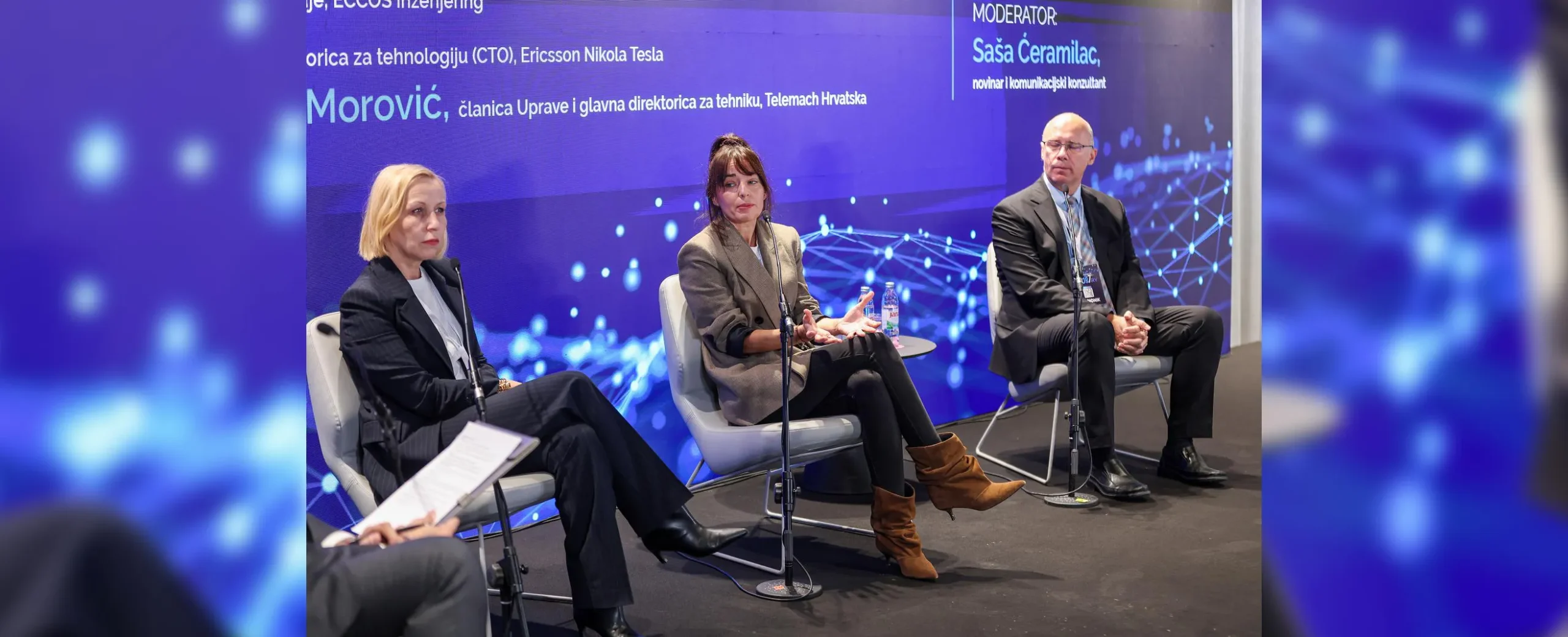
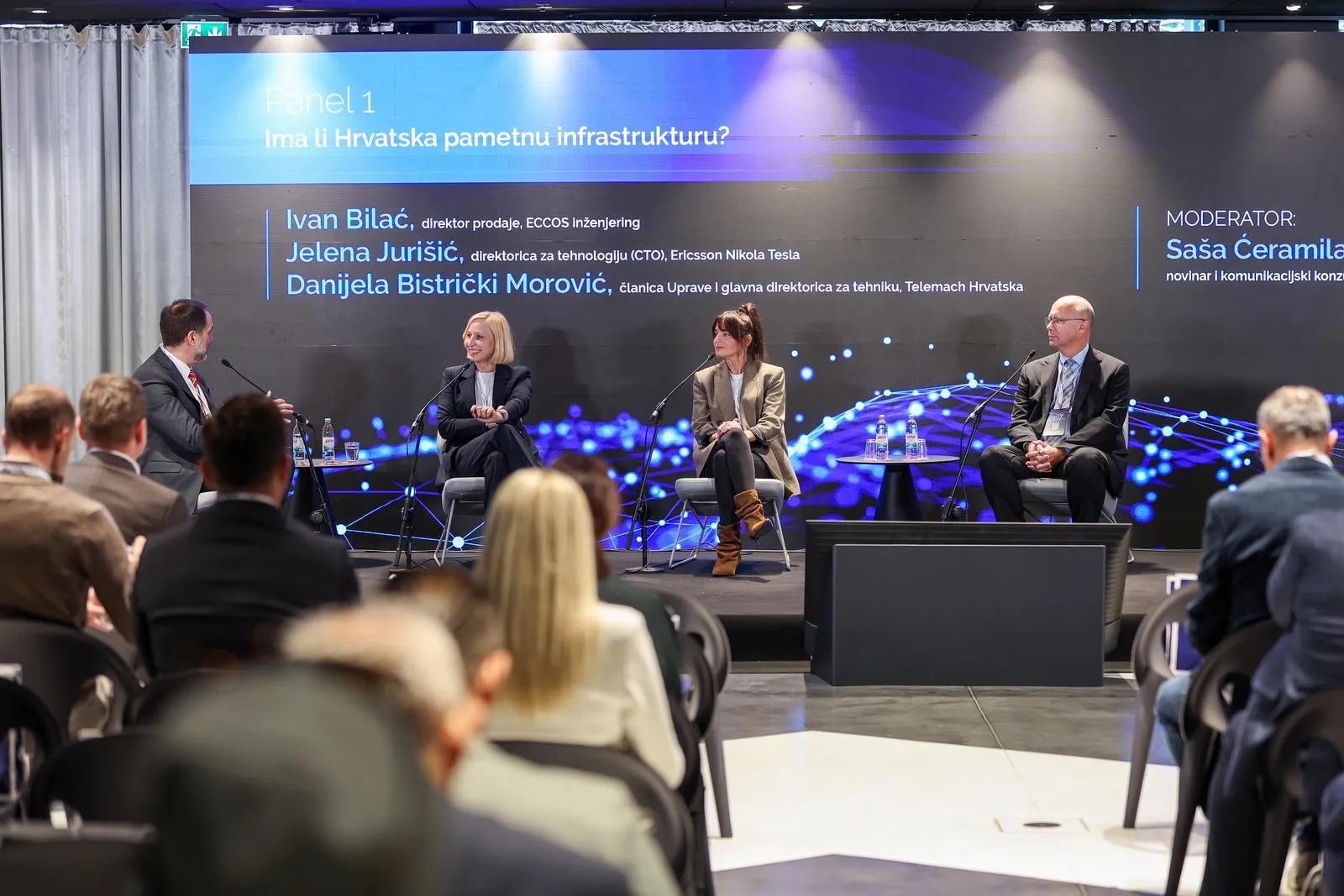
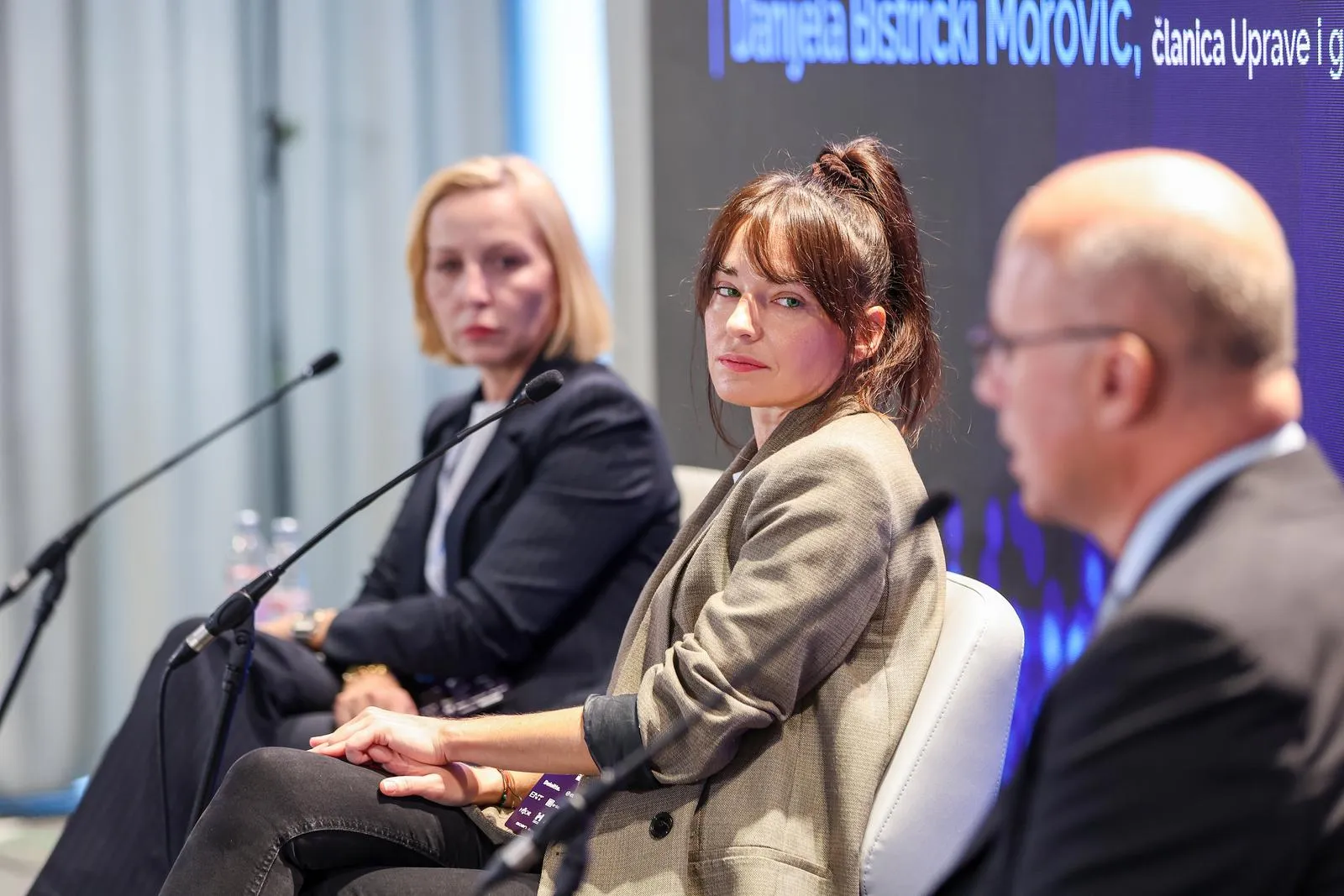
At the Smart Industry 2026 conference, organized by Poslovni dnevnik, experts from the technology and industrial sectors discussed the trends and solutions shaping the future of industry, energy and manufacturing. Jelena Jurišić, Director of Technology of Ericsson Nikola Tesla, participated in the panel discussion Does Croatia Have Smart Infrastructure? alongside Danijela Bistrički Morović, Board Member and Chief Technology Officer at Telemach Croatia, and Ivan Bilać, Sales Director at ECCOS Engineering.
Addressing Croatia’s readiness for smart infrastructure, Jelena emphasized that the availability of technology is generally not the primary challenge. A far greater challenge lies in the ability to identify the specific problem technology is intended to solve, as well as in defining how the outcomes and tangible benefits of a solution will be measured.
The same principle applies to artificial intelligence. Although AI remains one of the most prominent topics in technology today, there are still relatively few practical examples demonstrating measurable business value. For this reason, she stressed the importance of adopting an end-to-end perspective, evaluating the entire process rather than focusing solely on individual components.
This approach is particularly important in complex infrastructure projects. During the discussion, participants highlighted the importance of system integration, an area that is sometimes undervalued, particularly in the public sector. In complex solutions involving multiple technologies and vendors, a skilled systems integrator is essential to ensure that all components work together reliably as a cohesive whole.
The role of 5G technology in industry was also one of the topics of the panel. Jelena Jurišić noted that while 5G offers significant advantages, the choice of technology should always be driven by the specific use case. In certain scenarios, Wi-Fi may fully meet user requirements, making it essential to select the solution that best aligns with the needs of the system and the business process. She also emphasized the importance of a holistic approach to data, infrastructure and business processes, as well as the need for system openness and interoperability so users can keep long-term control and the possibility to develop them further.
Discussing Europe’s technological sovereignty, Jelena Jurišić pointed out that complete independence is not realistic, but it is important to identify the areas in which knowledge and control should remain local, particularly when dealing with mission-critical systems.
Photo: Matija Habljak/PIXSELL
Photo: Matija Habljak/PIXSELL