Industrial Transformation and Economic Competitiveness at the Centre of the Ministry of Economy’s Conference
May 20, 2026
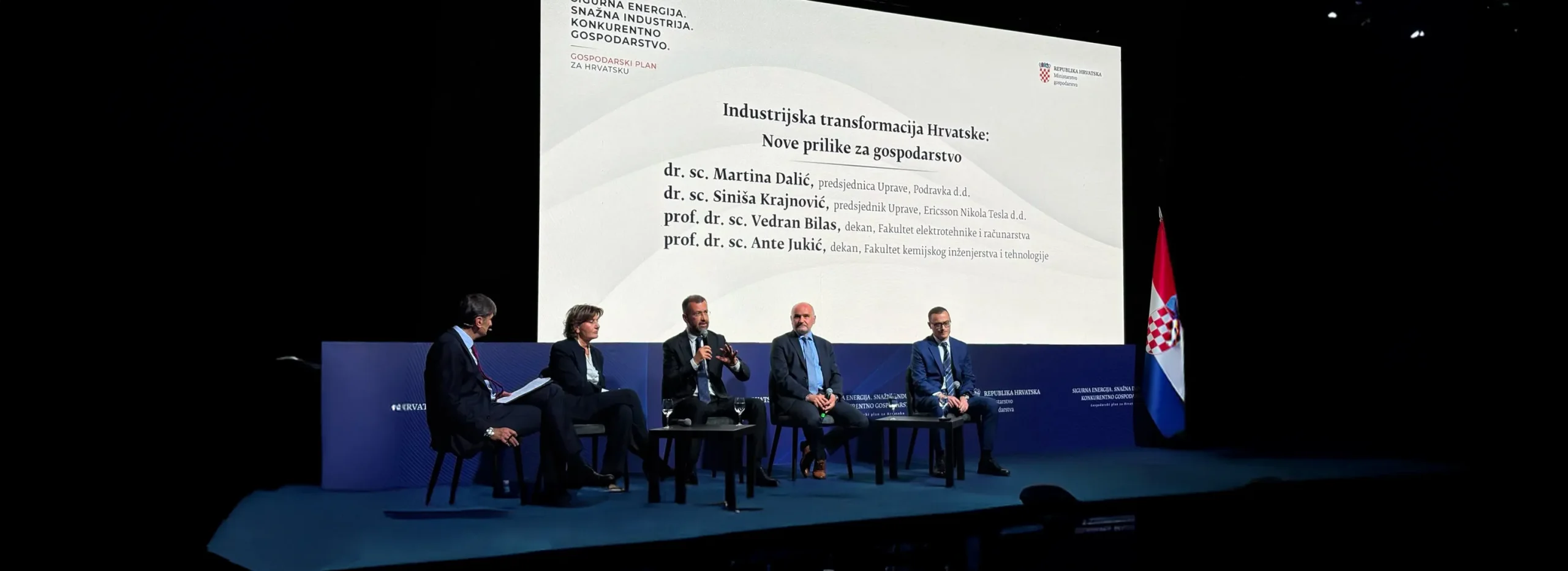
At the conference Secure Energy – Strong Industry – Competitive Economy: An Economic Plan for Croatia, held on 20 May in Zagreb and organized by the Ministry of Economy, representatives of the business sector, public institutions and partner organizations gathered to discuss the key strategic directions for the development of the Croatian economy.
The conference placed particular emphasis on industrial development and energy security, including the presentation of the National Plan for the Development of Industry of the Republic of Croatia 2027–2034 which aims to strengthen the competitiveness of the economy, develop high value‑added industries and create long‑term preconditions for sustainable growth.
Opening remarks were delivered by the Prime Minister of the Republic of Croatia, Andrej Plenković, and the Minister of Economy, Ante Šušnjar, who highlighted the importance of continuous investment in industry, innovation and energy resilience.
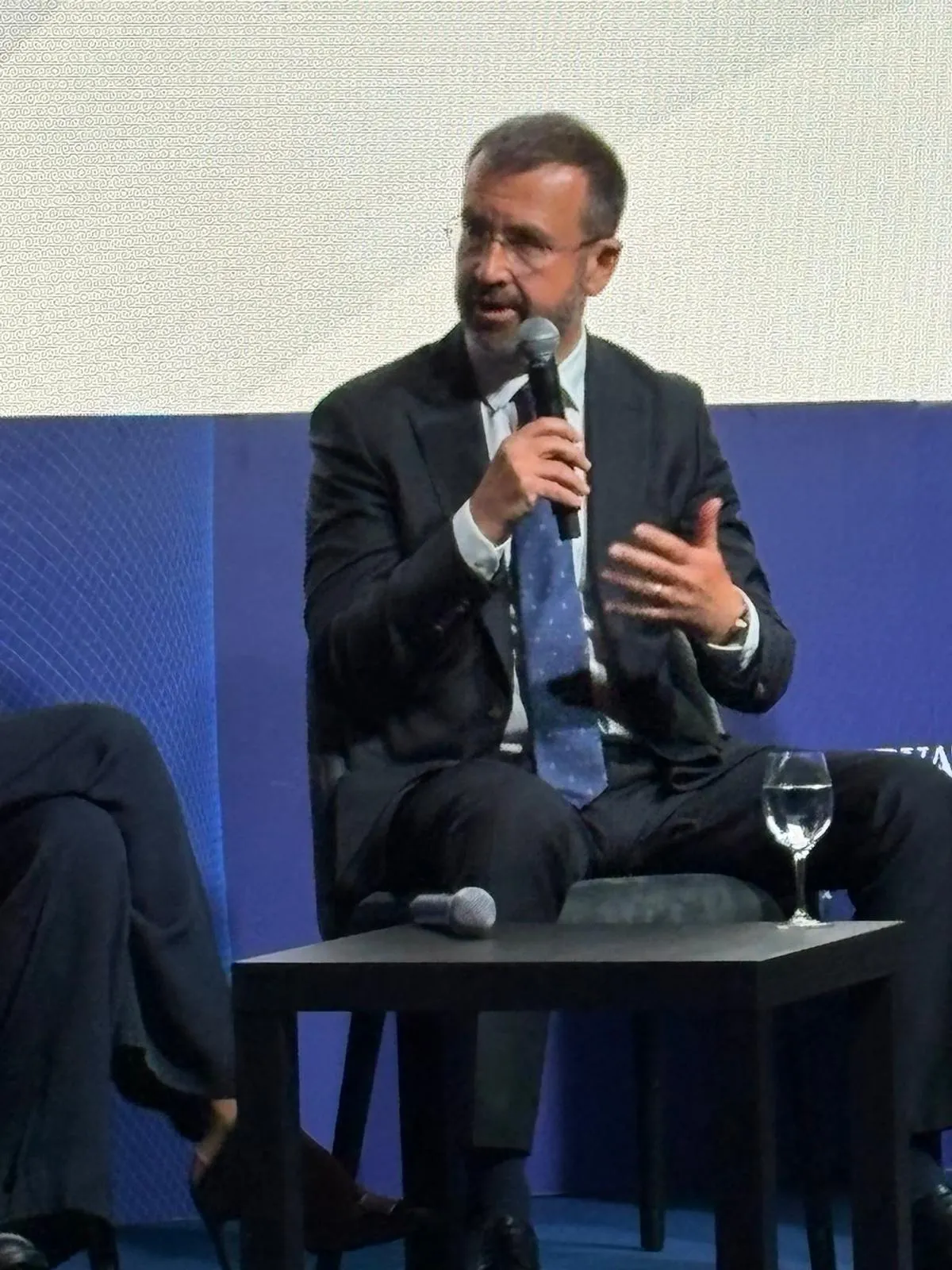
The panel Industrial Transformation of Croatia: New Opportunities for the Economy featured Siniša Krajnović, PhD, President of the Management Board of Ericsson Nikola Tesla, alongside Martina Dalić, PhD, President of the Management Board of Podravka, Prof. Vedran Bilas, PhD, Dean of the Faculty of Electrical Engineering and Computing, and Prof. Ante Jukić, PhD, Dean of the Faculty of Chemical Engineering and Technology.
The discussion underscored that industrial transformation increasingly relies on digital technologies, knowledge and innovation, with artificial intelligence, advanced communication networks and security solutions emerging as key drivers of competitiveness.
“The Plan is a step in the right direction and ambitious in its intent, but its success will depend on swift and consistent implementation. Industry is changing faster than ever, and artificial intelligence, advanced communication networks and cloud technologies are becoming the foundation of competitiveness. Equally important is continuous investment in the people who develop and use these technologies,” Krajnović emphasized.
Panel participants also highlighted the importance of stronger cooperation between industry, academia and the innovation ecosystem to foster the development of domestic high‑tech solutions.