Advanced digital technologies for more efficient public services and business operations
September 28, 2026
Ericsson Nikola Tesla hosted the ENT Technology Days from 21 to 25 September, an event dedicated to showcasing advanced technologies, innovations and ICT solutions. As part of the program dedicated to the digital transformation of public services, a panel discussion entitled The Application and Regulation of Artificial Intelligence in Public Administration: The Perspective of the Public Sector, Industry and Academia was held, focusing on one of the key topics of society's digital transformation.
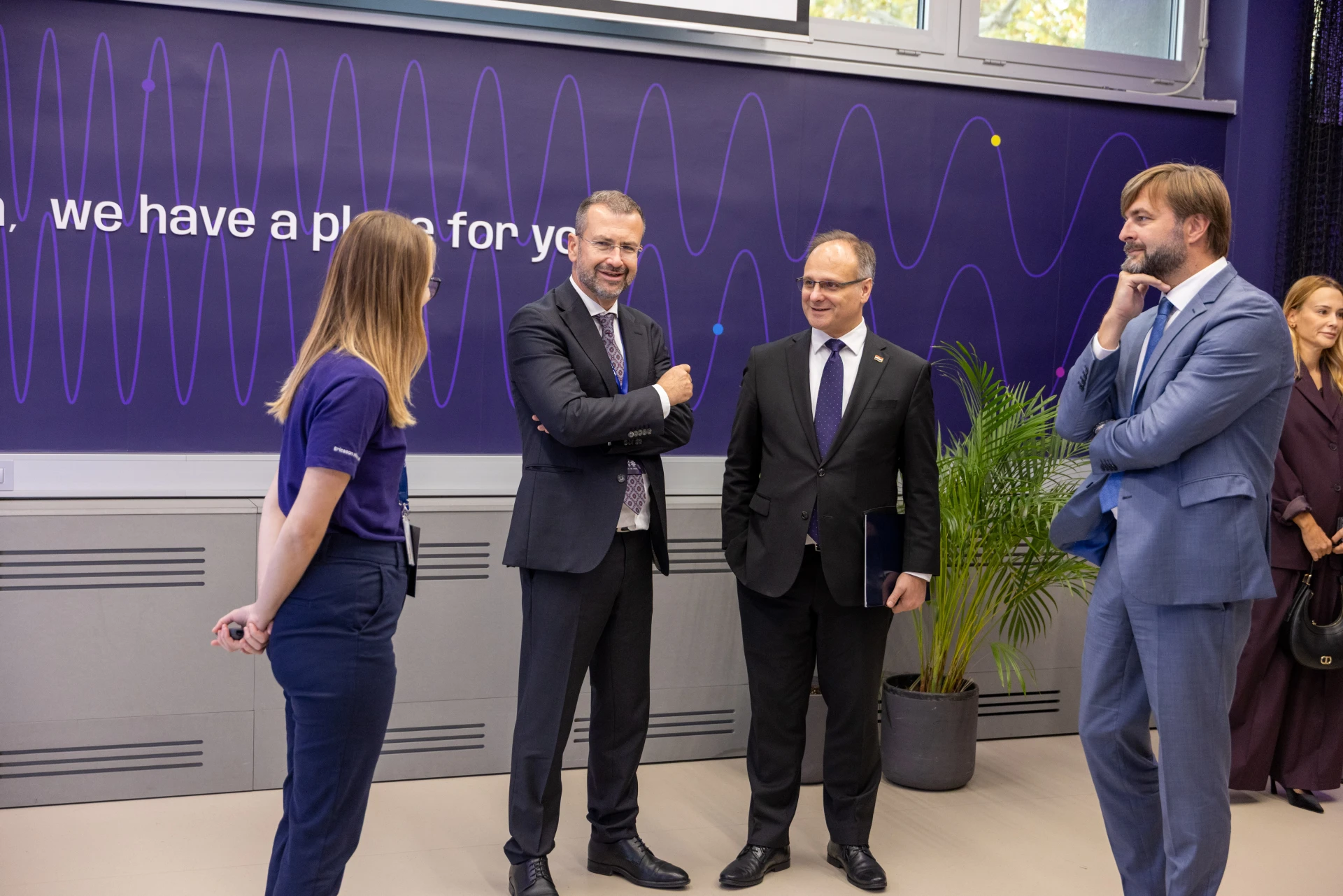
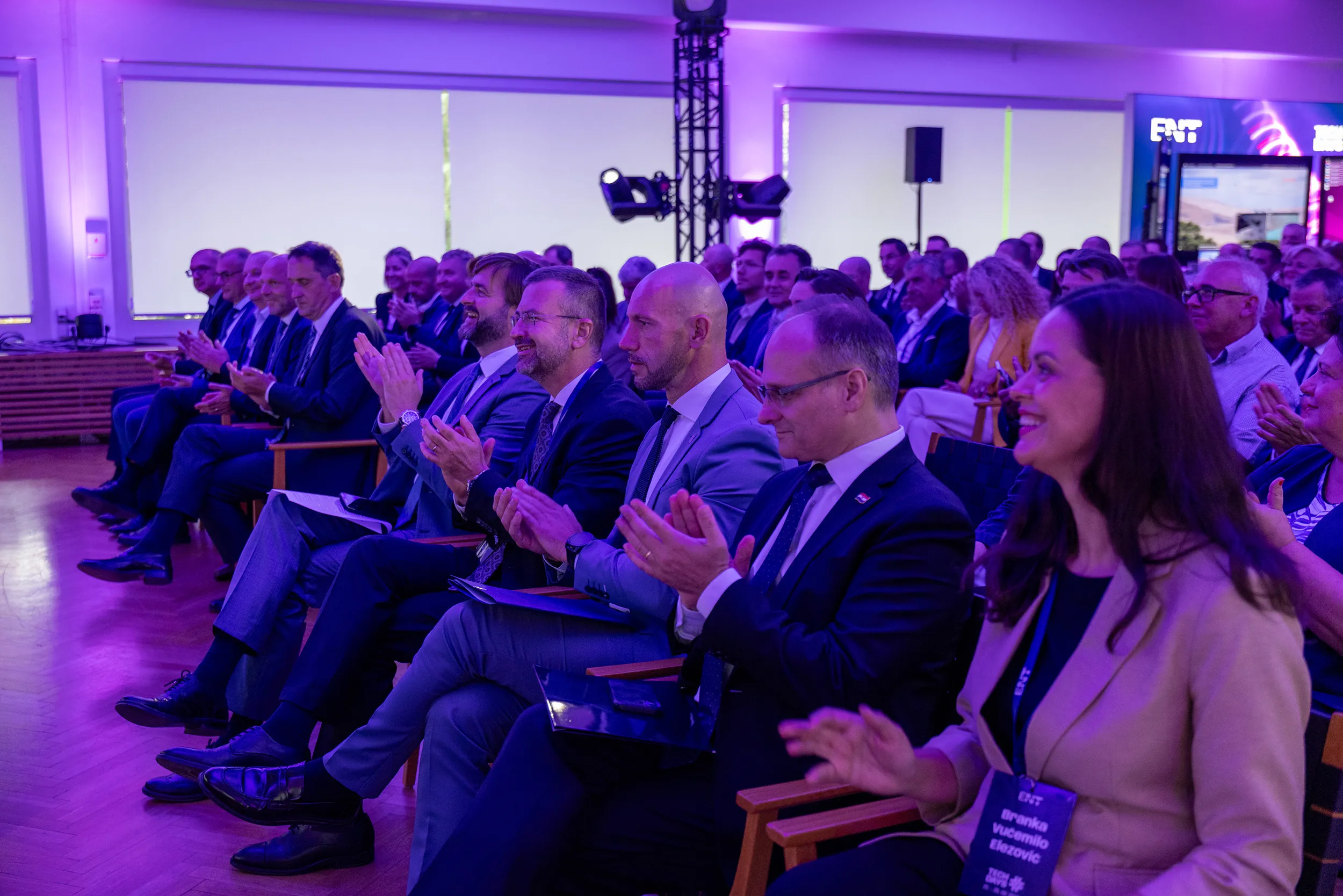
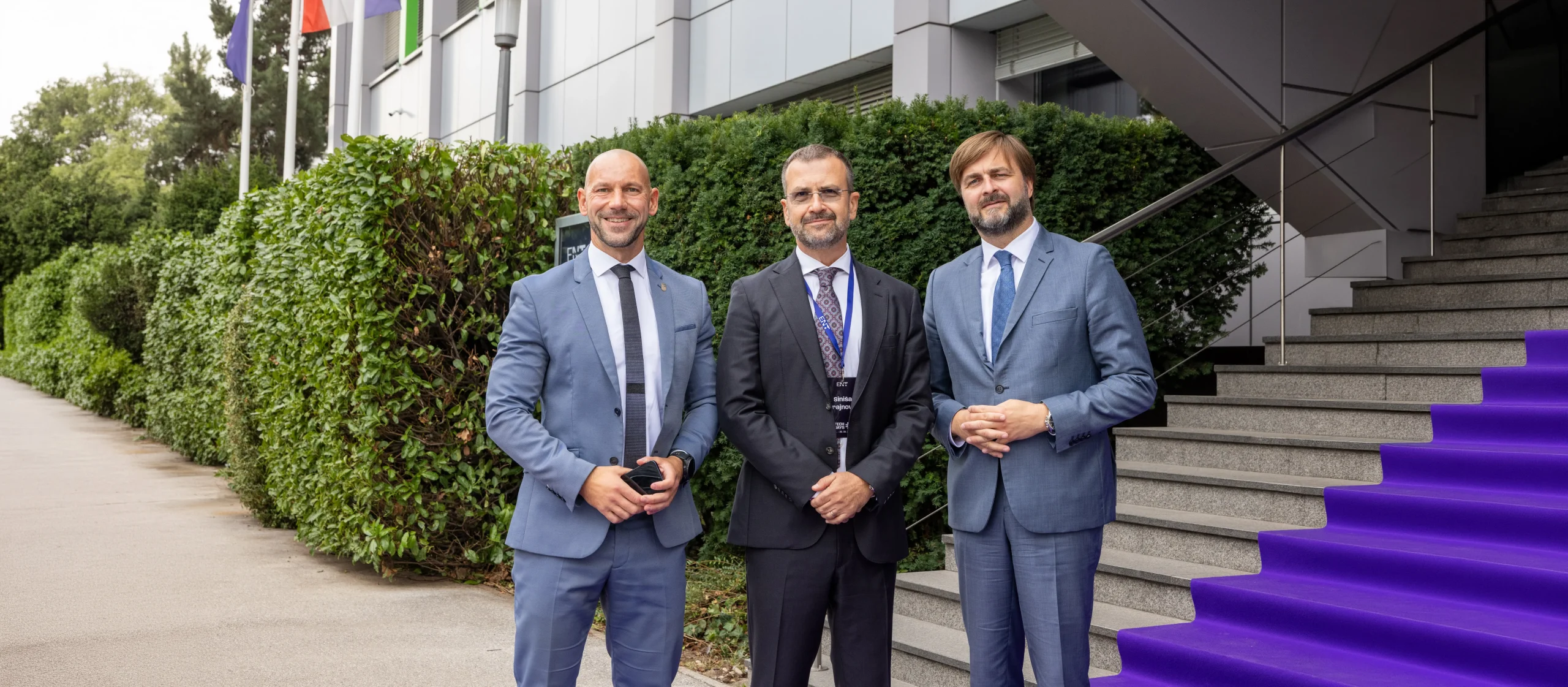
Ahead of the panel discussion, participants were addressed by Tomislav Ćorić, Deputy Prime Minister and Minister of Finance, and Damir Habijan, Minister of Justice, Public Administration and Digital Transformation.
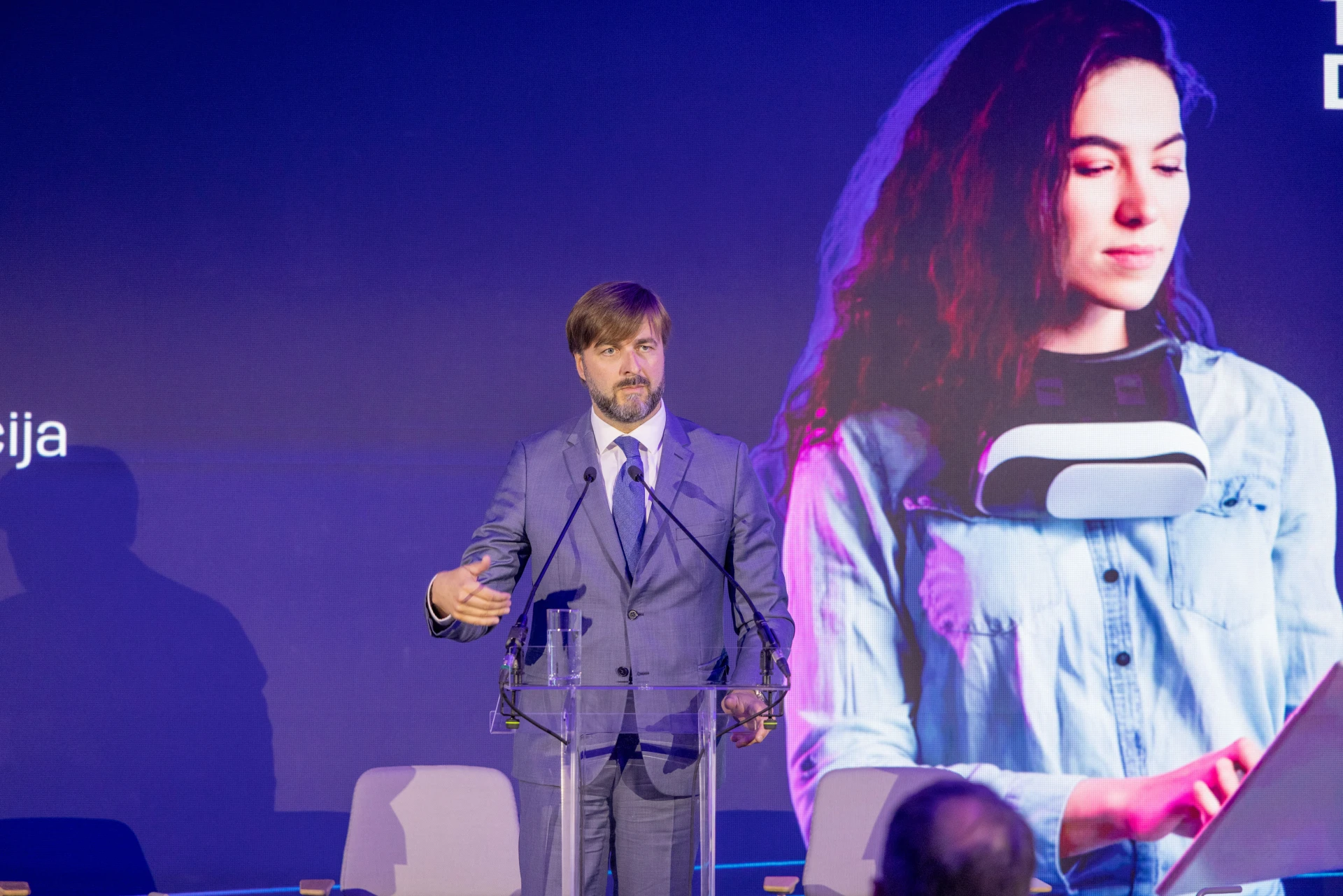
Speaking about the productivity of the Croatian economy in the coming decade, Minister of Finance emphasized that Croatia should focus on so-called productivity pockets: areas where there is significant potential to improve efficiency and create additional value.
“In our small and open economy, there are many such opportunities. These include optimizing processes in public administration, the private sector and various organizations, as well as implementing advanced technological solutions in citizens’ everyday lives, from transport and urban management to public services. In this way, we can achieve a significant improvement in efficiency, enhance productivity and create the prerequisites for sustainable long-term economic growth,” said Minister of Finance Tomislav Ćorić.
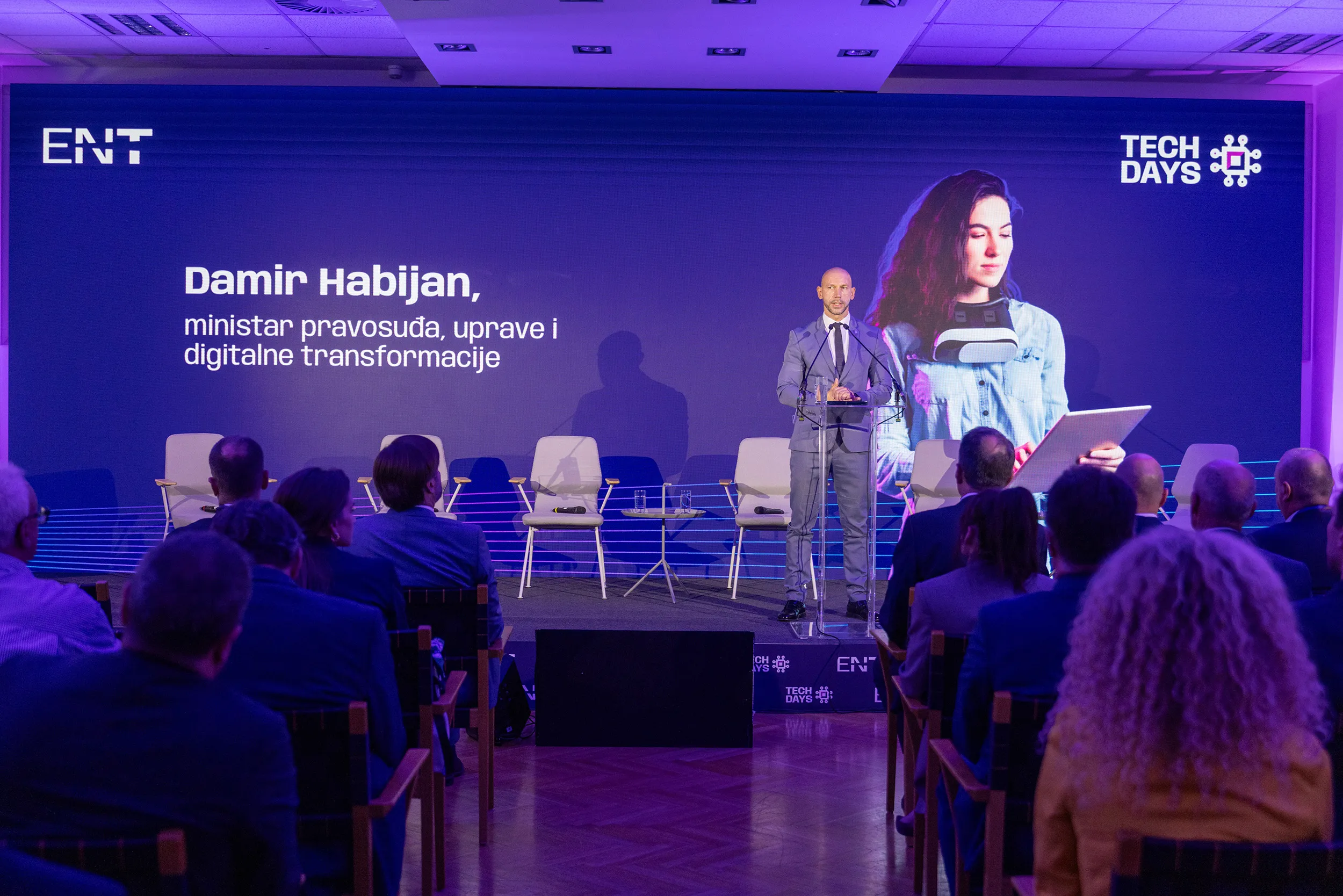
Damir Habijan, Minister of Justice, Public Administration and Digital Transformation, highlighted Croatia’s significant progress in the digitalization of public services, noting that the e-Građani (e-Citizens) platform is now used by more than 2.3 million citizens. He also referred to the launch of the e-Građani mobile application last year, which is currently used by more than 204,000 citizens, demonstrating growing user trust and the tangible benefits that digital public services bring to citizens in their everyday lives.
Speaking about artificial intelligence as one of the key drivers of digital transformation, Minister Habijan emphasized:
“Artificial intelligence is no longer a technology of the future, but a key tool for enhancing efficiency, competitiveness and the quality of public services. Our goal is to enable its widespread adoption, while ensuring that it is implemented in a safe, responsible and human-centric manner. Through the National AI Development Plan until 2032, we aim to create the conditions for Croatia to be among the countries that leverage new technologies to generate greater value for citizens, the economy and society as a whole.”
Opening the event, Siniša Krajnović, President of the Management Board of Ericsson Nikola Tesla, emphasized that successful digital transformation is built on connecting knowledge, technology and innovation with the real needs of society, as well as on cooperation among all stakeholders developing solutions that enhance citizens’ quality of life and strengthen economic competitiveness.
“Digital transformation is not an end in itself. Its true value lies in how successfully we translate knowledge, technology and innovation into practical solutions that make everyday life easier for people and improve business performance. As Croatia’s leading high-tech company, we will continue to invest in development, innovation and partnerships that enable the creation of such solutions. You can count on Ericsson Nikola Tesla as a strong, reliable and responsible partner in Croatia’s ongoing digital transformation,” said Krajnović.
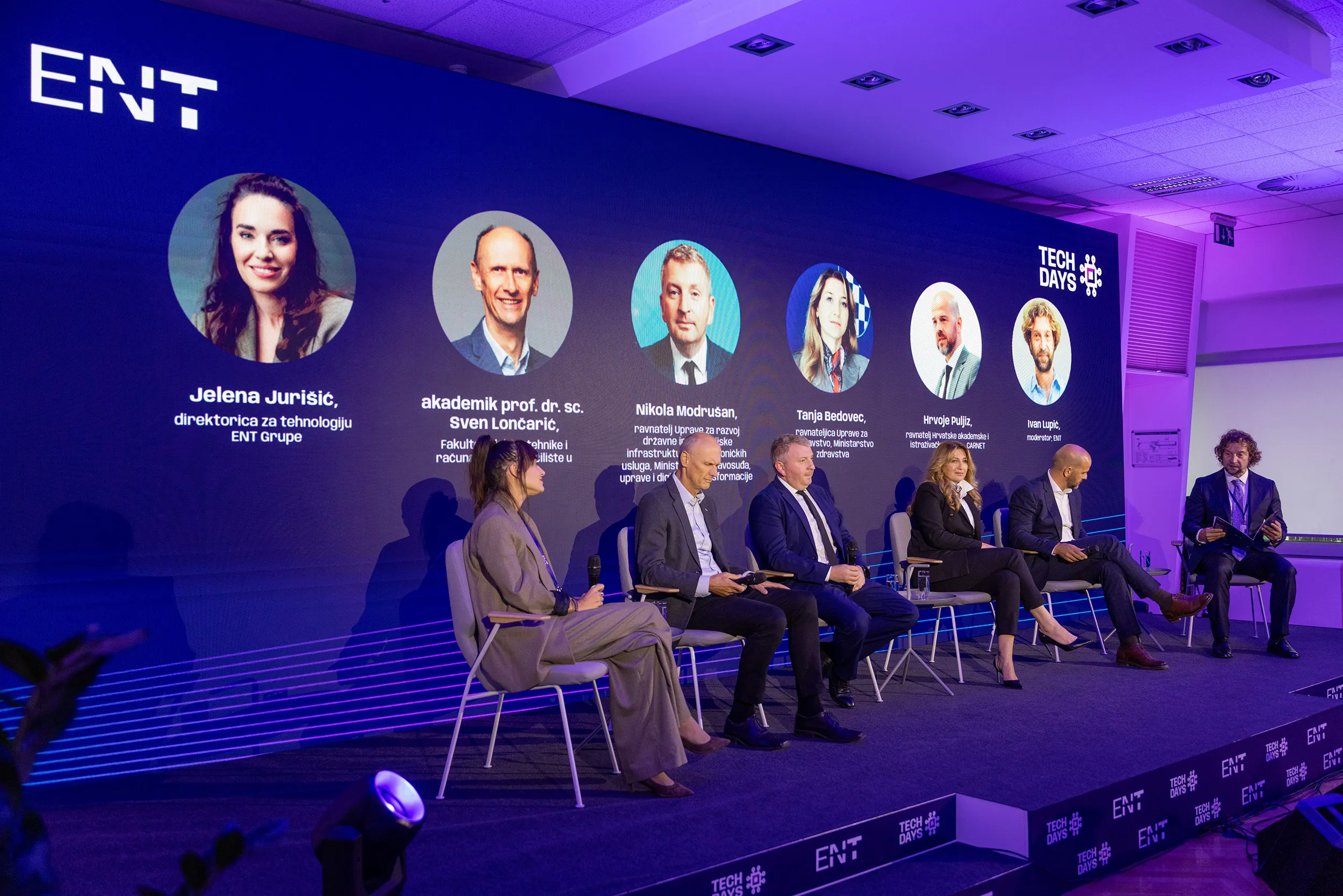
Following the opening remarks, a panel discussion was held featuring academician Prof. Sven Lončarić, PhD, Head of the Center for Artificial Intelligence at the Faculty of Electrical Engineering and Computing, University of Zagreb; Tanja Bedovec, Head of the Directorate for e-Health at the Ministry of Health; Nikola Modrušan, Director General for the Development of National Information Infrastructure and Electronic Services of the Ministry of Justice, Public Administration and Digital Transformation; Jelena Jurišić, Director of Technology of the ENT Group; and Hrvoje Puljiz, Director of CARNET. The panel discussion was moderated by Ivan Lupić of Ericsson Nikola Tesla.
Particular emphasis was placed on the role of artificial intelligence in the modernization of the public sector and its potential to enhance the efficiency, accessibility and quality of public services. The discussion explored opportunities for applying artificial intelligence in day-to-day operations of public administration, as well as the prerequisites for its broader and responsible adoption, including data quality and availability, secure digital infrastructure, the development of digital skills and the establishment of an appropriate regulatory and ethical framework. Special attention was paid to ensuring that the application of artificial intelligence remains focused on citizens’ needs, while preserving security, transparency and trust in digital technologies.
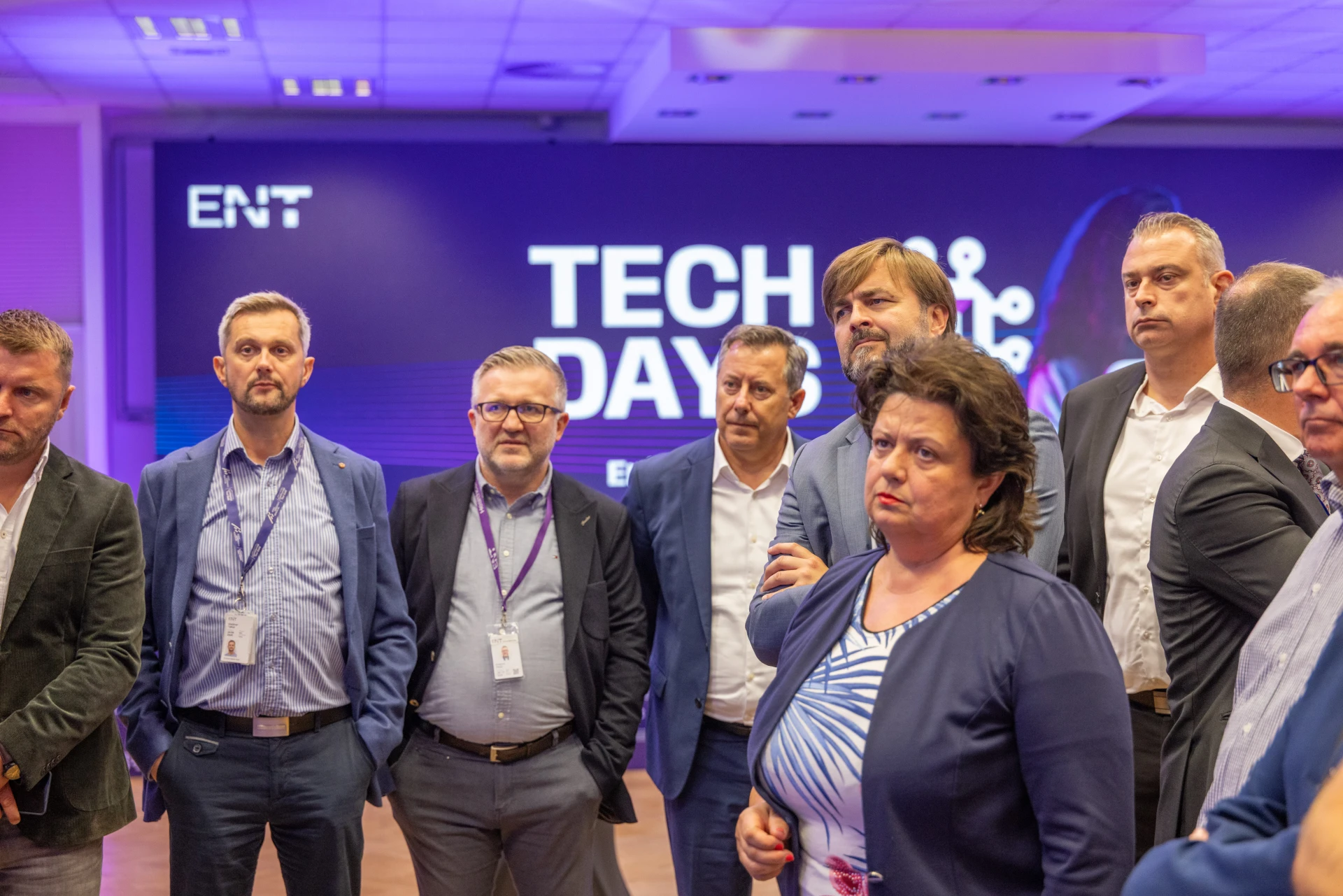
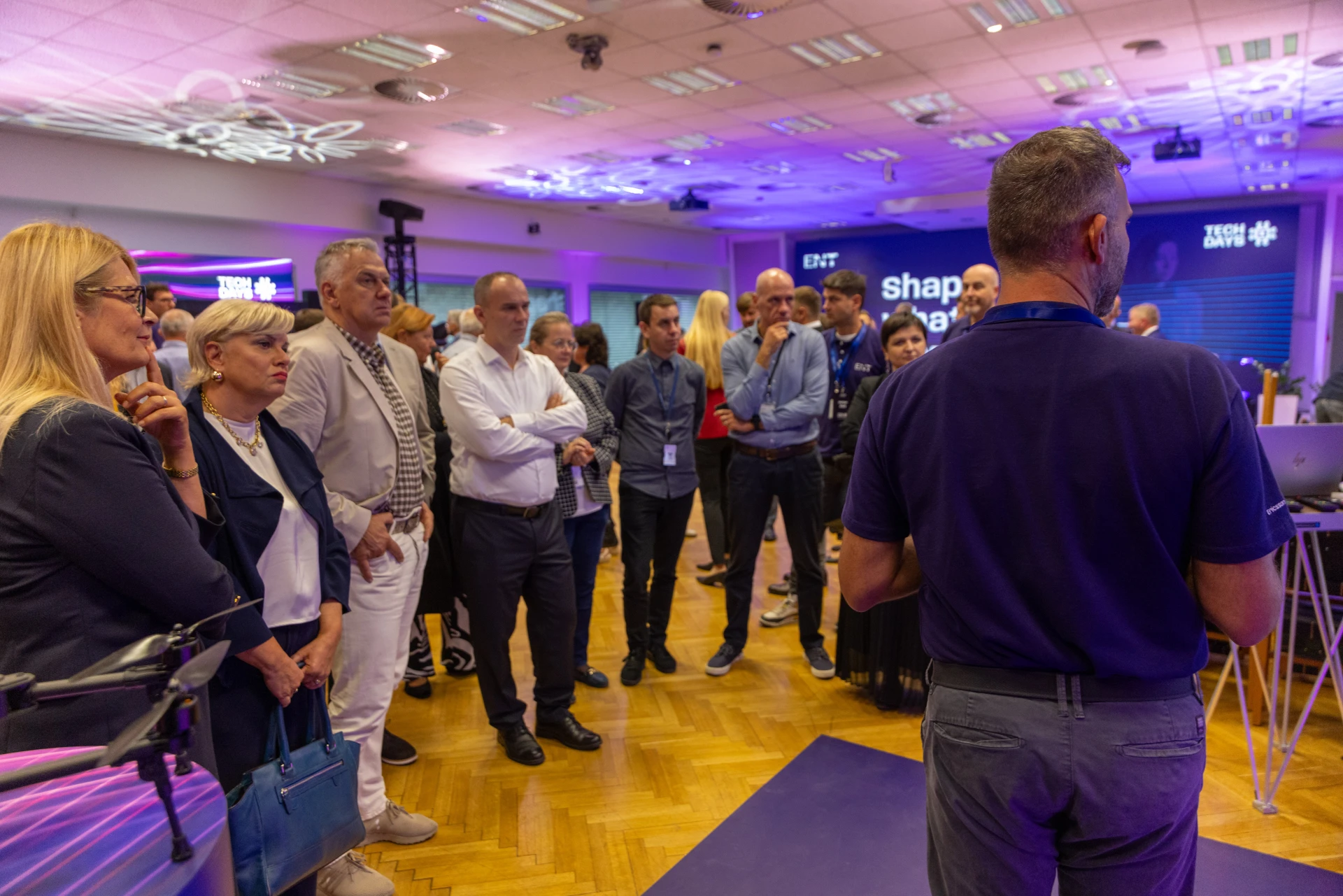
Following the panel discussion, participants had the opportunity to visit demos showcasing state-of-the-art solutions in the fields of artificial intelligence, the Internet of Things (IoT), extended reality and 5G communications. Through practical examples, visitors were shown how these technologies are being applied in healthcare, spatial management, transport and other areas of digital transformation, creating the foundations for more efficient services and an improved quality of everyday life for citizens.